
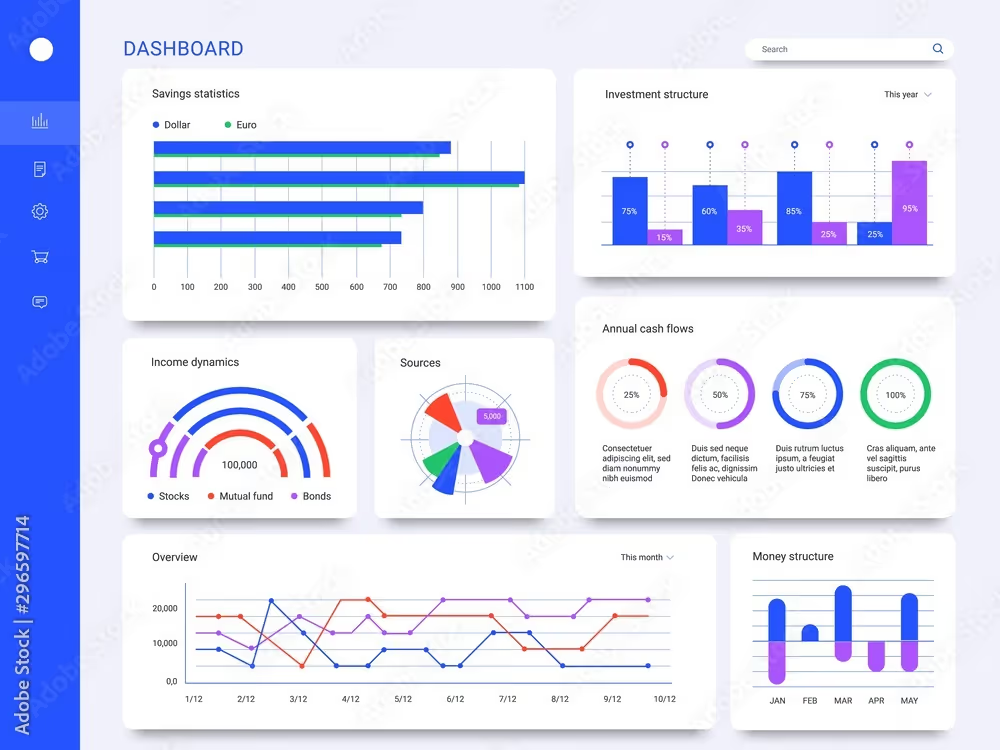
The debate over whether dashboards are dead or alive is extreme, but it highlights a significant issue: their role has become increasingly limited, addressing just one of many consumer needs.
In a world with scarce data (say even a decade ago), the ability to report metrics was a significant achievement. Financial teams led the way, defining key metrics to track the flow of money in and out of the system.
Fast forward to today: data collection is now table stakes for any organization. In this data-abundant environment, dashboards serve just the basic function of capturing important business metrics.
Don't get me wrong – distributing well-defined metrics that establish a common understanding of the business is important. However, many organizations end up with a wide array of metrics and a swamp of dashboards.
The real value in data has shifted to other activities, specifically three critical ones that drive business strategy and day-to-day operations:
1. Moving from "what" to "why":
2. Exploring "what-if" scenarios:
3. Executing on "what's next":
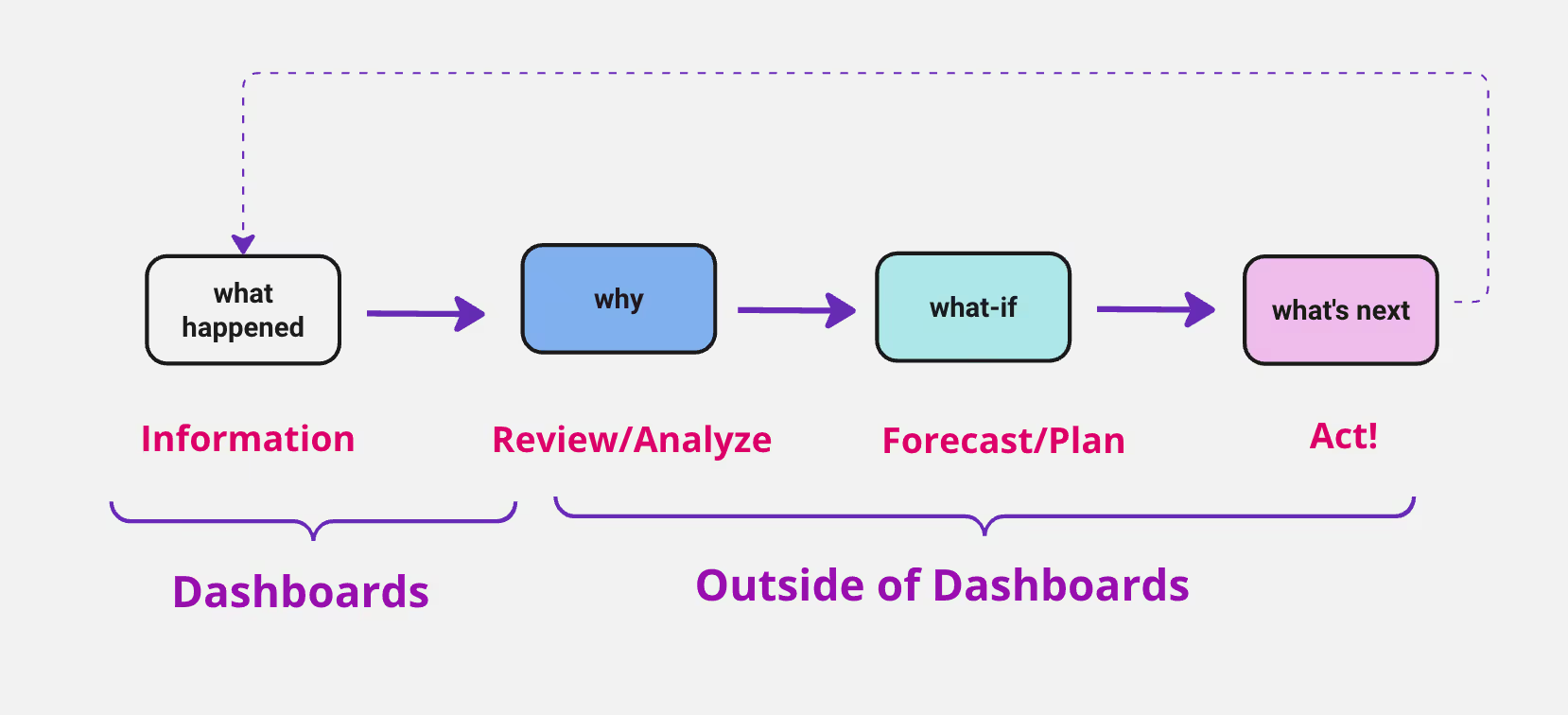
In conclusion, as data increasingly drives strategy and ongoing operations, organizations move beyond the utility of dashboards. Dashboards now serve a useful but narrow purpose.
A notable consequence is that the value of dashboarding/reporting tools is diminishing. This, in turn sparks my excitement about the potential of software to empower the evolving data-driven workflows within organizations.